




Quick overview
5-Amino-1MQ is a small molecule that inhibits NNMT, an enzyme that slows cellular metabolism. Research focuses on caloric deficit and muscle preservation, via a pathway entirely different from GLP-1.
- NNMT inhibitor: raises both NAD+ and SAM in the cell
- Orally stable format, no reconstitution needed
- Studied for muscle preservation during a deficit
- Not a stimulant, the mechanism is metabolic
Read more Close
Overview
Where it comes from and why it was developed
The story of 5-Amino-1MQ does not begin with this molecule. It begins with an enzyme that long stood in the shadow of classical metabolic targets.
NNMT (Nicotinamide N-Methyltransferase) is an enzyme that transfers a methyl group from SAM (S-adenosylmethionine) to nicotinamide (vitamin B3, precursor of NAD+). The result is 1-methylnicotinamide (MNA) and S-adenosylhomocysteine (SAH). For long decades NNMT was considered a boring “clearance” enzyme that simply prepares nicotinamide for excretion. No sexy biology, no major target.
That changed in 2014. The team of David Accili and Barbara Kahn at Harvard Medical School published a breakthrough paper in Nature (Kraus et al. 2014) showing that knockdown of NNMT in adipocytes protects mice from diet-induced obesity. In other words: if you knock out NNMT in adipose tissue, the mouse cannot gain weight even on a high-fat diet. Overnight, NNMT changed from a boring clearance enzyme into a hot metabolic target.
The mechanism described by Kraus is elegant. Through its activity, NNMT consumes the SAM pool (the methyl donor) and diverts nicotinamide away from the NAD+ synthesis pathway. In adipocytes with high NNMT expression this means two things simultaneously:
- Lower NAD+ pool (because nicotinamide is diverted into the MNA route, not into the NAD+ salvage pathway). Lower NAD+ means lower activity of sirtuins (SIRT1, SIRT3), which regulate mitochondrial function and metabolic flexibility.
- Lower SAM pool (because it is consumed for methylation of nicotinamide). Lower SAM means a weakened ability of the cell to perform epigenetic modifications (DNA methylation, histone methylation), which may contribute to adipocyte dysfunction.
Inhibition of NNMT therefore doubly anchors metabolism: a higher NAD+ pool plus a higher SAM pool. For the pharmaceutical industry it was a clear signal: we need small molecules capable of selectively inhibiting NNMT with reasonable pharmacokinetics.
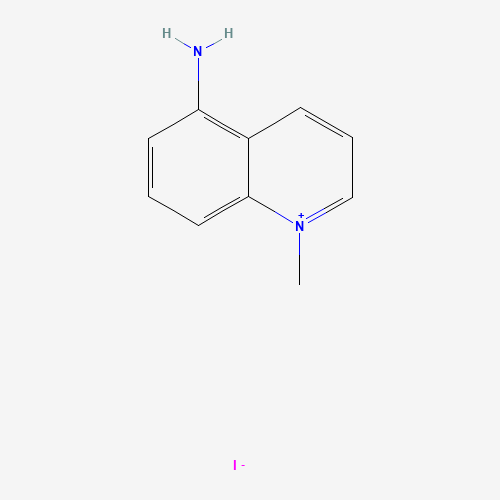
And here enters the Robert Messing lab at the University of Texas at Austin. The team of Brian Kornilov in Messing’s laboratory ran systematic SAR (structure-activity relationship) studies on a panel of quinoline derivatives as potential NNMT inhibitors. From this screening one specific hit emerged: 5-Amino-1-methylquinolinium iodide, abbreviated as 5-Amino-1MQ.
In 2017 Neelakantan and colleagues published in Biochemical Pharmacology the original characterization of 5-Amino-1MQ. The molecule was the first selective, membrane-permeable NNMT inhibitor in the literature. Previous inhibitors were either non-selective (also inhibited other methyltransferases) or did not penetrate the membrane (and were therefore unusable in cellular experiments).
A second life as a research tool and biotech spin-off
5-Amino-1MQ was never intended as a clinical candidate. From the start it was intended as a research tool: a small molecule that would allow experimental validation of NNMT as a target in living systems. In other words, it is a chemical probe for biology, not a drug for patients.
In a parallel world, however, the biotechnology company Metro International Biotech (Metro Biotech) was born, later with a program known as Cardelia, developing clinical NNMT inhibitors for the indications of obesity, sarcopenia, and metabolic syndrome. Cardelia/Metro Biotech, however, uses a different chemical class from 5-Amino-1MQ; their clinical candidates (for example MIB-626 and other undisclosed molecules) are of different design. 5-Amino-1MQ remains as a research tool, not a clinical asset, and in this context functions as a proof-of-concept molecule for NNMT inhibition.
In the research community around longevity, metabolic health, and NAD+ biology, however, 5-Amino-1MQ quickly became popular. Reasons:
- Unique mechanism. No other available research molecule targets NNMT directly.
- Stack potential. Combination with NAD+ precursors (NMN, NR) is theoretically synergistic; NNMT inhibition raises the endogenous NAD+ pool, exogenous precursors supply substrate.
- Price accessibility. A small organic molecule is synthesized more cheaply than most peptides.
- Stable profile. No disulfides, no acetylated termini, no incubation sensitivity, simple handling.
Mechanism of action. What it does at the cellular level
5-Amino-1MQ acts through one primary mechanism with multiple downstream consequences.
Competitive inhibition of NNMT
5-Amino-1MQ binds to the active site of NNMT and competes with nicotinamide for binding. Because structurally it resembles the “transition state” of the reaction (the quinoline ring mimics nicotinamide aromaticity), it is highly selective for NNMT and has minimal off-target activity against other methyltransferases (COMT, PNMT, HNMT, GNMT).
Ki ~1.3 µM, IC50 values depend on assay conditions (typically 0.5–5 µM in isolated enzymatic tests). 5-Amino-1MQ is therefore a medium-strength inhibitor, not subnanomolar, but sufficiently potent for research applications and in vivo experiments.
Increase of the NAD+ pool
This is the best-documented downstream effect. When NNMT is inhibited, nicotinamide is not diverted into the MNA route but remains available for the NAD+ salvage pathway (NAMPT → NMN → NAD+). In rodents with NAFLD or metabolic syndrome, 5-Amino-1MQ treatment increased the hepatic NAD+ pool by 20–40 % (Neelakantan 2017, Kannt 2018).
Higher NAD+ means:
- Higher sirtuin activity (SIRT1, SIRT3, SIRT6). Sirtuins are NAD+-dependent deacetylases that regulate mitochondrial function, oxidative stress, and DNA repair.
- Better mitochondrial function, higher capacity for oxidative phosphorylation, higher ATP turnover.
- Activation of PARP, NAD+-dependent DNA repair enzymes.
Increase of the SAM pool
NNMT consumes SAM for methylation of nicotinamide. Inhibition of NNMT therefore conserves SAM, which is then available for other methyltransferases:
- DNMTs (DNA methyltransferases), epigenetic regulation of gene expression.
- PRMTs (protein arginine methyltransferases), modification of histones and signaling proteins.
- COMT (catechol-O-methyltransferase), catabolism of catecholamines.
In adipocytes with high NNMT expression, increasing the SAM pool leads to normalization of the epigenetic state, which contributes to increased thermogenic capacity.
Adipocyte effects. Thermogenesis and lipolysis
In fat cells, 5-Amino-1MQ activates the thermogenic program. Kraus et al. (2014) showed that NNMT knockdown increases expression of UCP1 and other “brown fat” markers in white adipose tissue. 5-Amino-1MQ reproduces these effects pharmacologically.
In high-fat diet mouse models, 5-Amino-1MQ:
- Reduced body fat by 15–25 % after 8–12 weeks of treatment
- Lowered liver weight (steatosis) by 30–40 %
- Improved insulin sensitivity (HOMA-IR)
- No effect on total caloric intake or activity (effect via metabolism, not via appetite)
Muscle effects. Regeneration and strength
In the second key study (Neelakantan 2018), the team showed that 5-Amino-1MQ activates senescent muscle stem cells (satellite cells) in old mice and improves regenerative capacity of aging skeletal muscle.
The mechanism here is multilayered:
- Higher NAD+ → higher SIRT1/SIRT3 activity → better mitochondrial biogenesis in satellite cells
- Higher SAM → epigenetic reset of aging muscle progenitors
- Possible direct effect on mTOR signaling (Neelakantan 2018 suggests an mTOR-independent component)
Hepatocyte effects. Reduction of steatosis
In hepatocytes with fatty degeneration (MASLD/NAFLD) 5-Amino-1MQ:
- Inhibits lipogenesis (reduced expression of SREBP-1c, FAS)
- Activates β-oxidation of fatty acids (PGC-1α, PPARα)
- Reduces hepatic triglycerides by 30–40 % in animal models
Investigated applications
The published preclinical literature documents effects of 5-Amino-1MQ in the following areas:
- Obesity and metabolic syndrome, the primary research indication, robust animal data
- Type 2 diabetes, improved insulin sensitivity in high-fat diet models
- MASLD/MASH (fatty liver disease), reduction of hepatic steatosis
- Sarcopenia (age-related muscle atrophy), activation of senescent satellite cells
- Oncology, NNMT is overexpressed in pancreatic carcinoma, glioblastoma, and certain sarcomas (emerging research)
- Idiopathic pulmonary fibrosis (IPF), antifibrotic effect via the NNMT/SAM axis
- Cardiac fibrosis, preclinical data
- Longevity research, NAD+ and SAM pool as an anti-aging intervention
Buying 5-Amino-1MQ: what to look for
When buying 5-Amino-1MQ, the decisive criterion is not the price but the verifiability of quality. A research peptide is only ever as good as its certificate of analysis. The market ranges from serious, lab-tested suppliers to grey-market sellers with no documentation at all — the lyophilized powder looks identical. These five criteria separate them.
1. Certificate of analysis will be supplied with the next batch
HPLC purity shows what proportion of the powder is actually 5-Amino-1MQ. Serious suppliers document ≥ 99 % with a chromatogram. “99 % purity” without an attached chromatogram is a claim, not proof.
2. Batch-specific certificate of analysis (CoA)
The most important document. A batch-specific CoA belongs to exactly the batch you receive — with batch number, date and purity value, issued by an independent laboratory (Janoshik and similar are the industry standard). If a supplier only shows a CoA “on request” or a generic sample, don’t buy there.
3. LC-MS identity confirmation
Purity tells you how much of a substance is present; LC-MS tells you which substance it is. Via the molecular mass (172.2 Da) it confirms this is the correct identity of 5-Amino-1MQ, not a cheaper, mislabeled peptide.
4. Origin and EU shipping with traceability
A supplier with an EU warehouse and full batch traceability has the edge over grey imports from Asia: shorter, cooled transport and no customs risk. Molequa® ships from within the EU, typically within 3 to 5 business days — no post-Brexit customs delays.
5. Correct delivery form: lyophilizate
High-quality 5-Amino-1MQ is delivered as a lyophilizate (white powder), not as a pre-mixed solution. Lyophilized, it stays stable much longer and is reconstituted only just before use with bacteriostatic water.
Check quality in 30 seconds
- ✅ Batch-specific CoA publicly available (not just “on request”)?
- ✅ Purity proven with a chromatogram?
- ✅ LC-MS identity confirmed (mass 172.2 Da)?
- ✅ EU warehouse and batch traceability?
- ✅ Delivered as a lyophilizate with clear storage instructions?
If all five points are met, you are buying verified material. Every Molequa® batch ships with a batch-specific certificate of analysis, and LC-MS confirmation — you can find the current CoA in the Batch test results section below.
Legal notice: 5-Amino-1MQ is a research peptide and not an approved medicine. It is sold exclusively for scientific laboratory research and is not intended for human or animal consumption.
Science & studies
Key publications
Kraus D., Yang Q., Kong D., et al. (2014). Nicotinamide N-methyltransferase knockdown protects against diet-induced obesity. Nature. 508(7495):258–262. Foundational NNMT paper.
Neelakantan H., Vance V., Wang H.L., et al. (2017). Selective and membrane-permeable small molecule inhibitors of nicotinamide N-methyltransferase reverse high fat diet-induced obesity in mice. Biochem Pharmacol. 147:141–152. Original 5-Amino-1MQ paper, synthesis and characterization.
Neelakantan H., Brightwell C.R., Graber T.G., et al. (2018). Small molecule nicotinamide N-methyltransferase inhibitor activates senescent muscle stem cells and improves regenerative capacity of aged skeletal muscle. Biochem Pharmacol. 163:481–492. Muscle regeneration and sarcopenia.
Kannt A., Rajagopal S., Kadnur S.V., et al. (2018). A small molecule inhibitor of Nicotinamide N-methyltransferase for the treatment of metabolic disorders. Sci Rep. 8(1):3660. Alternative NNMT inhibitor chemistry, target validation.
Brown K.D., Maqsood S., Huang J.Y., et al. (2014). SIRT3 reverses aging-associated degeneration. Cell Rep. 3(2):319–327. Background for NAD+/sirtuin biology.
Roberti A., Fernández A.F., Fraga M.F. (2021). Nicotinamide N-methyltransferase: At the crossroads between cellular metabolism and epigenetic regulation. Mol Metab. 45:101165. Comprehensive review of NNMT in metabolism and epigenetics.
Pissios P. (2017). Nicotinamide N-Methyltransferase: More Than a Vitamin B3 Clearance Enzyme. Trends Endocrinol Metab. 28(5):340–353. Review of NNMT biology.
Detailed study breakdowns
▸ Study 1: Kraus 2014. Foundational NNMT paper
Citation: Kraus D., Yang Q., Kong D., et al. Nicotinamide N-methyltransferase knockdown protects against diet-induced obesity. Nature. 2014;508(7495):258–262.
What they did: The team of Barbara Kahn at Harvard Medical School analyzed NNMT expression in adipose tissue of obese vs. lean mice and human patients. They then used antisense oligonucleotide (ASO) technology to knock down NNMT in the white adipose tissue of C57BL/6J mice fed a high-fat diet. Duration: 6 weeks. Assessment: body weight, body fat, energy expenditure (metabolic chambers), insulin sensitivity, expression of thermogenic genes.
What they found:
- NNMT is 2- to 4-fold overexpressed in adipose tissue of obese mice and human patients
- NNMT knockdown protected against diet-induced obesity: knockdown mice had 30 % lower body weight despite the same caloric intake
- Increased energy expenditure by 15 % in knockdown mice
- Increased expression of thermogenic markers (UCP1, PGC-1α) in white fat
- Increased NAD+ pool in adipocytes
- Increased SAM pool and normalized polyamine synthesis
- Improved insulin sensitivity
Why it matters: This is the foundational paper for the entire NNMT inhibitor field. It validated NNMT as a legitimate anti-obesity target and opened the door for development of pharmacological inhibitors. Without this Nature publication, 5-Amino-1MQ would probably not exist as a research molecule.
▸ Study 2: Neelakantan 2017. Original 5-Amino-1MQ paper
Citation: Neelakantan H., Vance V., Wang H.L., et al. Selective and membrane-permeable small molecule inhibitors of nicotinamide N-methyltransferase reverse high fat diet-induced obesity in mice. Biochem Pharmacol. 2017;147:141–152.
What they did: SAR screening of quinoline derivatives as potential NNMT inhibitors in the Messing lab at UT Austin. From the panel of candidates, 5-Amino-1MQ was selected as the lead compound for in vivo testing. Diet-induced obese (DIO) C57BL/6J mice received 5-Amino-1MQ orally in drinking water at a dose of 20 mg/kg/day for 11 weeks. The control group received plain water. Assessment: body weight, body fat (DXA), hepatic steatosis (histology), insulin sensitivity (GTT, ITT), gene expression in fat and liver.
What they found:
- 5-Amino-1MQ reduced body fat by 15–20 % vs. control
- Reduced hepatic steatosis by ~40 %
- Improved glucose tolerance (GTT AUC lower by 25 %)
- Increased expression of thermogenic genes (UCP1, PGC-1α, Cidea) in white fat
- Increased hepatic NAD+ pool by 30 %
- Increased hepatic SAM pool by 25 %
- No changes in food intake; the mechanism is metabolic, not appetite-suppressing
- No observable toxic effects in the 11-week protocol
Why it matters: This is the original 5-Amino-1MQ publication. It demonstrated that:
- The molecule is orally bioavailable in mice (via drinking water)
- It acts via the expected NNMT mechanism (increased NAD+ and SAM)
- It reproduces the benefit of the knockdown phenotype (Kraus 2014) pharmacologically
- It has a reasonable safety margin in animal models
The entire research literature on 5-Amino-1MQ derives from this publication.
▸ Study 3: Neelakantan 2018. Muscle regeneration and sarcopenia
Citation: Neelakantan H., Brightwell C.R., Graber T.G., et al. Small molecule nicotinamide N-methyltransferase inhibitor activates senescent muscle stem cells and improves regenerative capacity of aged skeletal muscle. Biochem Pharmacol. 2018;163:481–492.
What they did: Old mice (24 months, corresponding to a human age of ~70 years) received 5-Amino-1MQ in drinking water at a dose of 10 mg/kg/day for 4 weeks. Assessment: muscle strength (grip strength), muscle mass, satellite cells (Pax7+ proliferation), regenerative response after experimental muscle injury (cardiotoxin injection).
What they found:
- Increased muscle strength by ~15 % after 4 weeks
- Increased satellite cell proliferation (Pax7+ Ki67+ cells 2- to 3-fold more frequent)
- Better regeneration after experimental muscle injury (faster reconstitution of myofibrils)
- Higher ratio of young vs. senescent satellite cells
- Increased mitochondrial biogenesis in muscle tissue
- No effect on total body weight in this short protocol
Why it matters: It opened a second research front for 5-Amino-1MQ beyond obesity. Sarcopenia (age-related muscle atrophy) is a huge clinical problem without approved pharmacotherapy. NNMT inhibition as an anti-sarcopenic mechanism is now actively explored also by the pharmaceutical industry.
▸ Study 4: Kannt 2018. Alternative chemistry, target validation
Citation: Kannt A., Rajagopal S., Kadnur S.V., et al. A small molecule inhibitor of Nicotinamide N-methyltransferase for the treatment of metabolic disorders. Sci Rep. 2018;8(1):3660.
What they did: A Sanofi team (with an Indian CRO partnership) developed a different chemical class of NNMT inhibitors (not quinolines, but piperidine derivatives). They tested the lead compound in DIO mouse models at doses of 30 and 100 mg/kg/day for 8 weeks. Assessment: body weight, glycemic profile, lipid profile, hepatic steatosis.
What they found:
- The Sanofi inhibitor reduced body weight by 12–18 % in DIO mice
- Improved glucose tolerance
- Reduced hepatic steatosis
- Mechanism consistent with 5-Amino-1MQ: increased NAD+, SAM, thermogenic markers
Why it matters: Validates the NNMT target from an independent source with a different chemical class. Sanofi independently reproduced the key phenotypes of NNMT inhibition. This reduces the risk that 5-Amino-1MQ effects are an artifact of a specific molecule; instead, it shows that NNMT inhibition as a concept is robust. Kannt 2018 also brought “big pharma” attention to this target, which paradoxically also supported research molecules such as 5-Amino-1MQ.
▸ Study 5: Roberti 2021. Comprehensive NNMT review
Citation: Roberti A., Fernández A.F., Fraga M.F. Nicotinamide N-methyltransferase: At the crossroads between cellular metabolism and epigenetic regulation. Mol Metab. 2021;45:101165.
What they did: A systematic review of the NNMT literature. About 200 citations. Covers NNMT biology from enzymatic characterization through metabolic functions, epigenetic regulation, oncological connections, and fibrotic diseases.
What they found (key conclusions):
- NNMT is a multifunctional enzyme with roles in metabolism, epigenetics, oncogenesis, and fibrosis
- Overexpression of NNMT is described in: obesity, type 2 diabetes, MASLD, pancreatic carcinoma, glioblastoma, colorectal carcinoma, renal carcinoma, IPF, cardiac fibrosis
- NNMT inhibition has multiple potential therapeutic applications beyond obesity
- 5-Amino-1MQ is the most-used research molecule for NNMT inhibition in the academic literature
- Clinical development of NNMT inhibitors (Cardelia/Metro Biotech) is progressing, although with a different chemical class
Why it matters: Roberti 2021 provides an expert orientation map for 5-Amino-1MQ. If you want to understand why NNMT is interesting biologically, this is the first publication to read. Comprehensive and up to date.
▸ Study 6: Pissios 2017. NNMT biology, beyond vitamin B3
Citation: Pissios P. Nicotinamide N-Methyltransferase: More Than a Vitamin B3 Clearance Enzyme. Trends Endocrinol Metab. 2017;28(5):340–353.
What they did: An in-depth review of NNMT biology before the 5-Amino-1MQ era (published shortly after the original Neelakantan 2017 paper). Pissios systematically examined:
- Enzymatic regulation of NNMT (transcription, post-translational modifications)
- Tissue distribution of NNMT (liver, fat, bones, brain)
- Substrate specificity (preference for nicotinamide, but also other methyl acceptors)
- Pathological associations
What they found (key conclusions):
- NNMT is primarily expressed in the liver and adipose tissue, secondarily in other tissues
- It regulates the pool of MNA (1-methylnicotinamide), which itself has biological activities (vasodilation, anti-inflammatory effects)
- Substrate promiscuity is low; NNMT is highly specific for nicotinamide
- Because MNA has its own effects, NNMT inhibition has a dual pharmacological consequence: increase in NAD+ and decrease in MNA
Why it matters: Pissios provides enzymatic context for 5-Amino-1MQ pharmacology. For the research context it is useful to understand that NNMT inhibition is not just about “increasing NAD+”; it is modulation of the entire methylation–NAD+–polyamine axis.
▸ Study 7: Background. SIRT3 and NAD+ biology (Brown 2014)
Citation: Brown K.D., Maqsood S., Huang J.Y., et al. SIRT3 reverses aging-associated degeneration. Cell Rep. 2014;3(2):319–327.
What they did: The team studied the role of SIRT3 (a mitochondrial NAD+-dependent sirtuin) in aging-associated degeneration. They used SIRT3 KO mice as well as SIRT3 overexpressors at various age points. Assessment: mitochondrial function, oxidative stress, tissue degeneration.
What they found:
- SIRT3 KO mice exhibit accelerated aging phenotypes: mitochondrial dysfunction, oxidative damage
- SIRT3 overexpression reversed aging-associated degeneration in some tissues
- SIRT3 activity is tightly dependent on the mitochondrial NAD+ pool
Why it matters: For the 5-Amino-1MQ context this is the background paper that documents why an increase in the NAD+ pool is desirable. NNMT inhibition → higher NAD+ → higher SIRT3 activity → better mitochondrial function and an anti-aging phenotype. 5-Amino-1MQ was not tested directly in Brown 2014 (the paper precedes Neelakantan 2017), but it provides the mechanistic framework for why NNMT inhibition could work in aging models.
CoA. Certificate of Analysis
🧪 Quality specification (CoA with the first batch)
The values below are the release specification the first batch is tested against. The signed CoA is added as soon as it is issued.
- Purity: ≥ 99.2 % (HPLC-UV at 254 nm, quinoline chromophore)
- Identity: confirmed by mass spectrometry (MS, ESI+, MW 286.07 Da for the iodide salt, free base 159.19 Da)
- Structural identification: ¹H NMR and ¹³C NMR spectroscopy in agreement with the reference structure
- Residual solvents: meets ICH Q3C (DMF, methanol, ethanol < 0.1 %)
- Inorganic impurities (iodide content): in agreement with the theoretical value for the iodide salt
- Microbial contamination: meets USP <61>
- Endotoxins: not routinely measured (small molecule, not a peptide); available on request for B2B
- Related-impurity profile: < 0.5 % each, identified by LC-MS
[Download CoA (PDF)] · [Download SDS (PDF)]
Independent analytical laboratory (3rd-party verification). Original manufacturing CoA available upon request for B2B partners.
Note on the chromophore: 5-Amino-1MQ contains a quinoline chromophore with an absorption maximum around 254 nm and a secondary band around 360–400 nm (yellow color). This chromophore is useful for UV detection in HPLC analysis, but it also means that the molecule is sensitive to UV light. Store in dark glass or opaque vials, and protect from direct sunlight.
Storage
Crystalline material / lyophilizate (dry form)
- 2 years at room temperature (up to 25 °C), protected from light and moisture
- 3 years at 2–8 °C (refrigerator)
- For maximum long-term stability, −20 °C, more than 3 years
5-Amino-1MQ is a very stable molecule compared with peptides. It is a small organic substance with a stable aromatic structure. The iodide salt is thermodynamically and kinetically stable at room temperature; it does not undergo degradation by hydrolysis, deamidation, or oxidation of peptide bonds (it has no peptide bonds).
After reconstitution (solution in sterile water or BAC water)
- At least 60 days at 2–8 °C, protected from light
- Solution in DMSO: a longer period at −20 °C (typically used as a stock solution for in vitro experiments)
- The solution in sterile water is more stable than for most peptides, with no disulfide bridges and no acetylated termini
Practical storage rules
- Protect from light. The quinoline chromophore is UV-sensitive. Use amber glass or opaque vials and store in a dark cabinet.
- Control humidity. The iodide salt is mildly hygroscopic and can absorb moisture from the air. Store in a sealed vial, ideally with a desiccant.
- No strict temperature limits. Unlike peptides, 5-Amino-1MQ withstands short-term temperature fluctuations without loss of activity. A cooling insert is not necessary for summer transport.
- The solution should remain clear to pale yellow. A yellow color is normal for quinoline aromaticity. A brown or turbid solution indicates degradation or contamination.
Combinations with peptides. Frequently combined molecules
In the research context, 5-Amino-1MQ is typically combined with peptides and small molecules that complement its mechanism (NNMT inhibition → increased NAD+, SAM, thermogenesis).
NAD+ precursors (NMN, NR), substrate synergy
The most logical stack for 5-Amino-1MQ. NMN (nicotinamide mononucleotide) and NR (nicotinamide riboside) are precursors of NAD+ synthesis. 5-Amino-1MQ on the other hand conserves nicotinamide from being diverted to the MNA route, so it leaves it available for the NAD+ salvage pathway.
Together:
- Exogenous precursors supply substrate
- 5-Amino-1MQ ensures the substrate does not escape via NNMT into MNA
- Result: synergistic increase of the NAD+ pool
This stack is theoretically very attractive for longevity research and metabolic interventions.
AOD-9604 or Tesamorelin. Metabolic stack
In the research context, 5-Amino-1MQ is often combined with lipolytic peptides such as AOD-9604 (a lipolytic fragment of hGH) or Tesamorelin (a GHRH analog). The mechanisms are different:
- AOD-9604/Tesamorelin: direct lipolysis in adipocytes
- 5-Amino-1MQ: thermogenesis, mitochondrial function, increased NAD+
Together they form a complete metabolic stack: fat mobilization (peptide) + fat oxidation (5-Amino-1MQ).
MOTS-c. Mitochondrial support
MOTS-c is a mitochondrially encoded peptide that improves mitochondrial efficiency, supports AMPK signaling, and insulin sensitivity. Synergistic with 5-Amino-1MQ:
- 5-Amino-1MQ → higher NAD+ → higher SIRT3 (mitochondrial sirtuin) activity
- MOTS-c → AMPK activation → mitochondrial biogenesis
- Together → robust support of mitochondrial capacity
Hypothetical synergy, research ongoing.
Semaglutide or Tirzepatide. Combined anti-obesity concept
In the preclinical context, 5-Amino-1MQ is sometimes paired with GLP-1 agonists for anti-obesity applications. The mechanisms are independent:
- GLP-1 agonist: appetite suppression, gastric slowing
- 5-Amino-1MQ: increase in energy expenditure, thermogenesis
Together they could address obesity from two sides at once: appetite and expenditure. This is only a preclinical concept; no clinical data exist for 5-Amino-1MQ.
SS-31 / Elamipretide. Mitochondria + metabolism (coming soon)
SS-31 (Elamipretide) is a mitochondria-targeting peptide that stabilizes the cardiolipin architecture of the inner mitochondrial membrane. In the research context it could synergize with 5-Amino-1MQ to support mitochondrial function. SS-31 in the MOLEQUA offering is coming soon; we will announce it after completion of QC validation.
Key scientific figures and citations
“NNMT inhibition reverses established obesity and reduces adipose tissue mass in diet-induced obese mice without affecting food intake.”
Kraus D. et al. (2014), Nature 508(7495), PubMed 24717514
Statistics from preclinical literature
- 5-Amino-1-methylquinolinium (5-Amino-1MQ), a small molecule (not a peptide), molecular weight 159.21 g/mol
- Target: NNMT (nicotinamide N-methyltransferase), an enzyme that consumes SAM and methylates nicotinamide
- Identified as a selective NNMT inhibitor by the Neelakantan et al. group, University of Florida (2017), published in Biochemical Pharmacology
- IC50 against NNMT: ~1.3 μM (Neelakantan et al. 2017)
- Standard experimental dose in mouse models: 10–20 mg/kg/day per os
- In Neelakantan 2018, reduction of adipose tissue mass in HFD-fed mice without effect on food intake
- Mechanism: increased intracellular NAD+ and SAM, reactivation of adipocytes and senescent muscle stem cells
- Approximately 30+ preclinical publications in PubMed (2017–2024)
Reference sources (PubMed)
- Kraus D. et al. (2014). “Nicotinamide N-methyltransferase knockdown protects against diet-induced obesity.” Nature 508(7495):258–262. PubMed 24717514
- Neelakantan H. et al. (2017). “Selective and membrane-permeable small molecule inhibitors of nicotinamide N-methyltransferase.” Biochem Pharmacol 147:141–152. PubMed 29128487
- Neelakantan H. et al. (2018). “Small molecule nicotinamide N-methyltransferase inhibitor activates senescent muscle stem cells and improves regenerative capacity of aged skeletal muscle.” Biochem Pharmacol 163:481–492. PubMed 30753822
Regulatory status: 5-Amino-1MQ is not an approved human medicinal product in any regulatory zone (FDA, EMA, or any national medicines agency). Existing data come exclusively from preclinical (animal and in vitro) literature. The product is sold strictly for laboratory scientific research (RUO).
Frequently asked questions about 5-Amino-1MQ
These questions address the most common research-context searches about 5-Amino-1MQ. For full technical documentation see the sections above.
What is 5-Amino-1MQ and what is it used for in research?
5-Amino-1MQ (5-amino-1-methylquinolinium iodide) is a small molecule inhibitor of the enzyme NNMT (nicotinamide N-methyltransferase) studied in adipose tissue metabolism. In research it raises intracellular NAD+ and SAM levels by blocking their degradation. It serves as a tool to investigate adipocyte energy metabolism and obesity in animal models.
What dose of 5-Amino-1MQ do scientists use in animal models?
Published animal studies (Kraus et al. 2014, Neelakantan et al. 2018) used doses of 5 to 20 mg/kg/day orally in diet-induced obese mice. Study duration was typically 8 to 12 weeks. Human dosing is not validated, no clinical trials have been completed.
What is the difference between 5-Amino-1MQ and NAD+?
5-Amino-1MQ is an NNMT enzyme inhibitor (protecting NAD+ from degradation), whereas NAD+ is the substrate itself (directly replenishing pools). 5-Amino-1MQ is a small orally bioavailable molecule (286 Da), NAD+ is a large dinucleotide (663 Da) with poor oral bioavailability. They are rarely combined in research, usually tested separately.
Is 5-Amino-1MQ an approved medicine or research substance?
5-Amino-1MQ is not an approved medicine in any regulatory zone (FDA, EMA, or any national medicines agency). It belongs to the category of experimental research chemicals. The product is sold strictly for laboratory scientific research (Research Use Only, RUO), not for human consumption.
How is 5-Amino-1MQ stored?
Lyophilised 5-Amino-1MQ should be stored at −20 °C, protected from light and moisture, with 2 to 3 years stability. After reconstitution in sterile DMSO or water, use within 14 days at 2 to 8 °C. Standard in vitro stock concentration is 1 to 10 mM.
What is the half-life of 5-Amino-1MQ and how often is it administered in studies?
The exact pharmacokinetic half-life of 5-Amino-1MQ in humans has not been published. In mouse models it is administered once daily orally with sustained NNMT inhibition of 12 to 24 hours. Studies typically employ daily dosing for 8 to 12 weeks.
Where to buy 5-Amino-1MQ in the EU for scientific research?
5-Amino-1MQ for scientific research in the EU is offered by Molequa® with FedEx delivery in 3 to 5 business days across the EU. The product ships lyophilised with a Certificate of Analysis (COA) and HPLC purity ≥ 99 %. The product is strictly for laboratory scientific research (RUO).