



Quick overview
NAD+ is the central coenzyme of energy metabolism in every cell. Its level falls markedly with age, making it one of the most watched molecules in longevity research.
- Cellular levels fall by up to half with age
- Substrate of sirtuins and PARP enzymes
- The lyophilized form is more stable than ready-made solutions
- Combined with GLP-1 protocols in research
Read more Close
Overview
What is NAD+ and why it is not a peptide
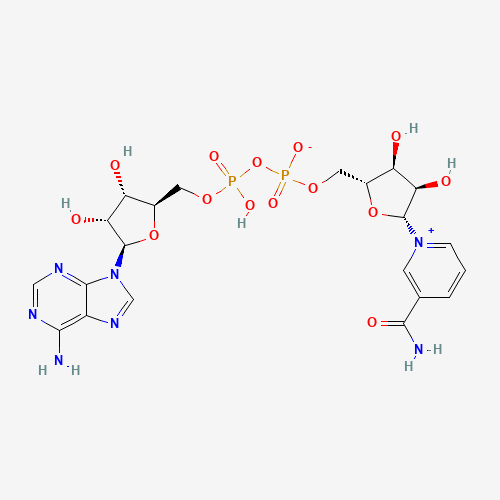
This is an important opening point, because NAD+ is often mentioned in the context of “research peptides”, but chemically it belongs to an entirely different category. NAD+ is not a peptide, it is a dinucleotide coenzyme, more similar to ATP and other nucleotides than to amino-acid chains.
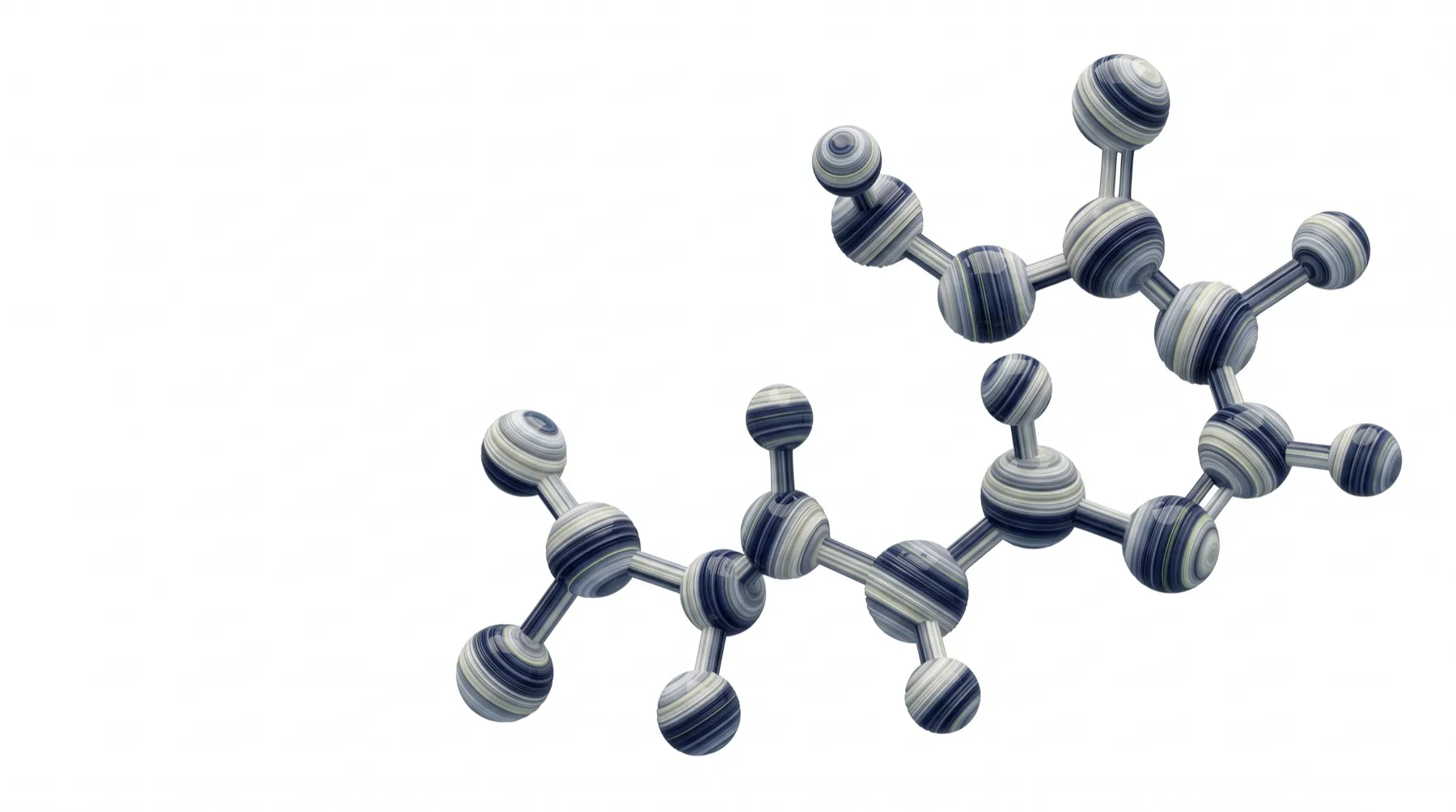
The NAD+ molecule consists of:
- Nicotinamide (a derivative of vitamin B3, niacin)
- Adenine (a purine base, the same as in DNA/RNA/ATP)
- Two riboses (sugars)
- A pyrophosphate bridge (two phosphate residues linked together)
Chemically, then, NAD+ belongs to the family of dinucleotides together with NADH (the reduced form), NADP+ and NADPH. In the Molequa® portfolio it appears as a non-peptide research molecule, similarly to MK-677, a layer that complements peptide molecules in certain research contexts (especially for longevity).
Central role in cellular metabolism
NAD+ is the most important coenzyme in the cell. That is not an exaggeration, without NAD+ hundreds of enzymatic reactions would stop and the cell would die within minutes. Three main roles:
1. Redox cofactor in energy metabolism. NAD+ and its reduced form NADH participate in all major metabolic pathways, glycolysis, the Krebs cycle, fatty-acid oxidation. In every oxidative reaction of the cell, NAD+ is converted to NADH, which then delivers electrons in the mitochondrion to produce ATP. Without NAD+ there is no ATP. Without ATP there is no life.
2. Substrate for sirtuins (SIRT1 to SIRT7). Sirtuins are a family of enzymes that deacetylate proteins, removing acetyl groups from lysines on histones (which regulates gene expression) and on other proteins (which regulates metabolism and stress response). Sirtuins are the key “longevity enzymes”, their activation in animal models extends lifespan. Sirtuins ABSOLUTELY need NAD+ as a substrate; without NAD+ they do not function.
3. Substrate for PARPs (poly-ADP-ribose polymerases). PARPs are DNA-repair enzymes. At every DNA damage event (UV, free radicals, replication errors) PARPs “scan” the DNA and initiate repair processes. They consume enormous amounts of NAD+ in the process. In more severe damage, PARPs can completely deplete the cellular NAD+ pool and the cell dies (paradoxically, from lack of energy).
Age-related decline in NAD+, the aging hypothesis
This is one of the best-documented hypotheses in the aging field. NAD+ levels decline with age:
- 40-year-old adults have ~50 % of the NAD+ levels of 20-year-olds
- 60-year-old adults have ~25 % of younger NAD+ levels
- The decline is visible in all tissues, muscle, liver, brain, skin, blood
The mechanism of decline is multifactorial:
- Increased CD38 activity, the enzyme that breaks NAD+ down. CD38 expression rises with age due to chronic inflammation.
- PARP hyperactivation, chronic DNA damage with age (oxidative stress, telomere dysfunction) depletes NAD+ via PARPs.
- Drop in NAD+ synthesis, reduced activity of the enzymes NAMPT, NMNAT with age.
- Drop in precursor availability, nicotinamide, NMN, NR.
Result: a “NAD+ crisis” in aging cells. Sirtuins do not function properly, DNA repairs are impaired, mitochondrial function declines. This is the molecular framework for many aspects of biological aging.
Hypothesis: replenish NAD+, slow aging
From this comes an attractive therapeutic hypothesis: if we replenish NAD+, we can reverse or slow some aspects of aging. This is the central idea of the research by David Sinclair (Harvard), Shin-ichiro Imai (Washington University) and other “NAD+ apostles” in the longevity field.
In animal models it works. Older mice receive NAD+ (or the precursor NMN or NR) and:
- Mitochondrial function improves
- Muscle strength and endurance are restored
- Cognition improves
- Lifespan is extended
- Fertility capacity is restored in old mice
In humans the data are more cautious. Phase 2 trials with NMN and NR (oral NAD+ precursors) have shown biochemical effects (increase in plasma NAD+) but mixed clinical endpoints. Phase 3 data are still missing.
Direct NAD+ administration vs precursors (NMN, NR)
This is a frequent question in research. Three main options:
| Form | Mechanism | Route of administration | Effectiveness | Price |
|---|---|---|---|---|
| NAD+ (direct) | Direct replenishment | IV or SC injection | High by IV, smaller by SC | Medium |
| NMN (Nicotinamide Mononucleotide) | Precursor, converted to NAD+ | Oral and injectable | Medium | Medium |
| NR (Nicotinamide Riboside) | Precursor, converted via NMN | Oral (capsules) | Medium, good oral bioavailability | Higher (commercial Niagen) |
Direct NAD+ is preferable when you want a rapid elevation of the intracellular NAD+ pool. NMN and NR are preferable for long-term maintenance thanks to oral bioavailability.
In the research context, NAD+ is often administered as an IV infusion (250 to 1000 mg) at clinics offering “NAD+ therapy”. This use is off-label and has not been formally validated, but a growing body of research suggests it can be effective for some indications.
Mechanism of action, multiple pathways
Energy metabolism
NAD+ is a cofactor in glycolysis, the Krebs cycle and β-oxidation. At higher NAD+ levels:
- Higher rate of ATP production
- Better mitochondrial function
- Increased fatty-acid oxidation
- Better metabolic flexibility
Sirtuin activation
Sirtuins (SIRT1 to 7) are activated at higher NAD+ levels. The most important effects:
- SIRT1: deacetylation of FOXO transcription factors → stress resistance; deacetylation of PGC-1α → mitochondrial biogenesis
- SIRT3 (mitochondrial): deacetylation of mitochondrial enzymes → better OXPHOS efficiency
- SIRT6: stabilization of telomeres, DNA repairs
- SIRT2: regulation of metabolism and the cell cycle
Sirtuin activation is the main longevity mechanism associated with NAD+.
Optimization of DNA repair
PARPs with a sufficient NAD+ pool effectively repair DNA damage. With NAD+ deficiency DNA damage accumulates and leads to genomic instability, one of the main hallmarks of aging.
Anti-inflammatory effects via CD38 inhibition
Higher NAD+ levels can inhibit CD38 through feedback and thereby reduce chronic inflammation (“inflammaging”). This is a secondary mechanism, but clinically relevant.
Neurological effects
NAD+ is critical for neuronal function. The brain has high energy demand and sirtuins in neurons (especially SIRT1, SIRT3) regulate neuroprotection, plasticity, and cognition. In Alzheimer’s, Parkinson’s and other neurodegenerative diseases a local NAD+ deficit is observed in the affected neurons.
Investigated applications
In the published preclinical and clinical literature, the effects of NAD+ (and its precursors) are documented in the following areas:
- Age-related decline of functions, robustly demonstrated in animal models
- Mitochondrial dysfunctions, emerging clinical data
- Neurodegenerative diseases (Alzheimer’s, Parkinson’s), Phase 2 trials
- Chronic fatigue syndrome, observational data, IV NAD+ therapy
- Addiction treatment, alcohol, opioids (anecdotal, some studies)
- Metabolic syndrome and insulin resistance, Phase 2 data with NMN
- Cardiovascular function, endothelial function, blood pressure
- Skin aging, cosmetic research
- Post-COVID long-term symptoms, emerging research
- Sarcopenia, preclinical and Phase 2 data
Buying NAD+: what to look for
When buying NAD+, the decisive criterion is not the price but the verifiability of quality. A research peptide is only ever as good as its certificate of analysis. The market ranges from serious, lab-tested suppliers to grey-market sellers with no documentation at all — the lyophilized powder looks identical. These five criteria separate them.
1. Certificate of analysis will be supplied with the next batch
HPLC purity shows what proportion of the powder is actually NAD+. Serious suppliers document ≥ 99 % with a chromatogram. “99 % purity” without an attached chromatogram is a claim, not proof.
2. Batch-specific certificate of analysis (CoA)
The most important document. A batch-specific CoA belongs to exactly the batch you receive — with batch number, date and purity value, issued by an independent laboratory (Janoshik and similar are the industry standard). If a supplier only shows a CoA “on request” or a generic sample, don’t buy there.
3. LC-MS identity confirmation
Purity tells you how much of a substance is present; LC-MS tells you which substance it is. Via the molecular mass (663.4 Da) it confirms this is the correct identity of NAD+, not a cheaper, mislabeled peptide.
4. Origin and EU shipping with traceability
A supplier with an EU warehouse and full batch traceability has the edge over grey imports from Asia: shorter, cooled transport and no customs risk. Molequa® ships from within the EU, typically within 3 to 5 business days — no post-Brexit customs delays.
5. Correct delivery form: lyophilizate
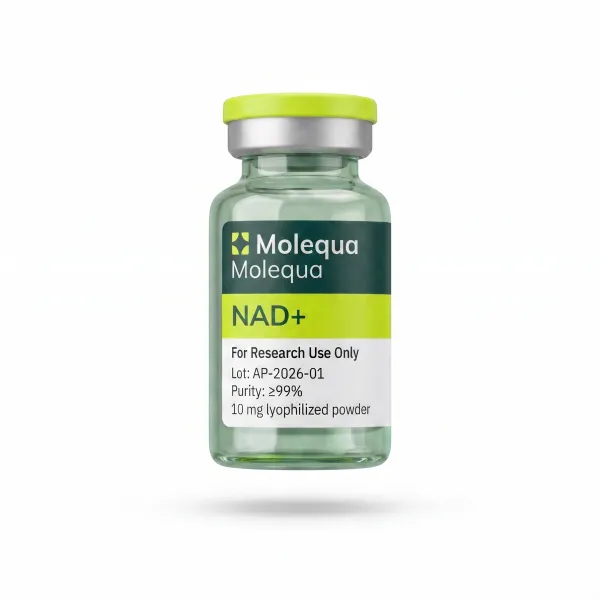
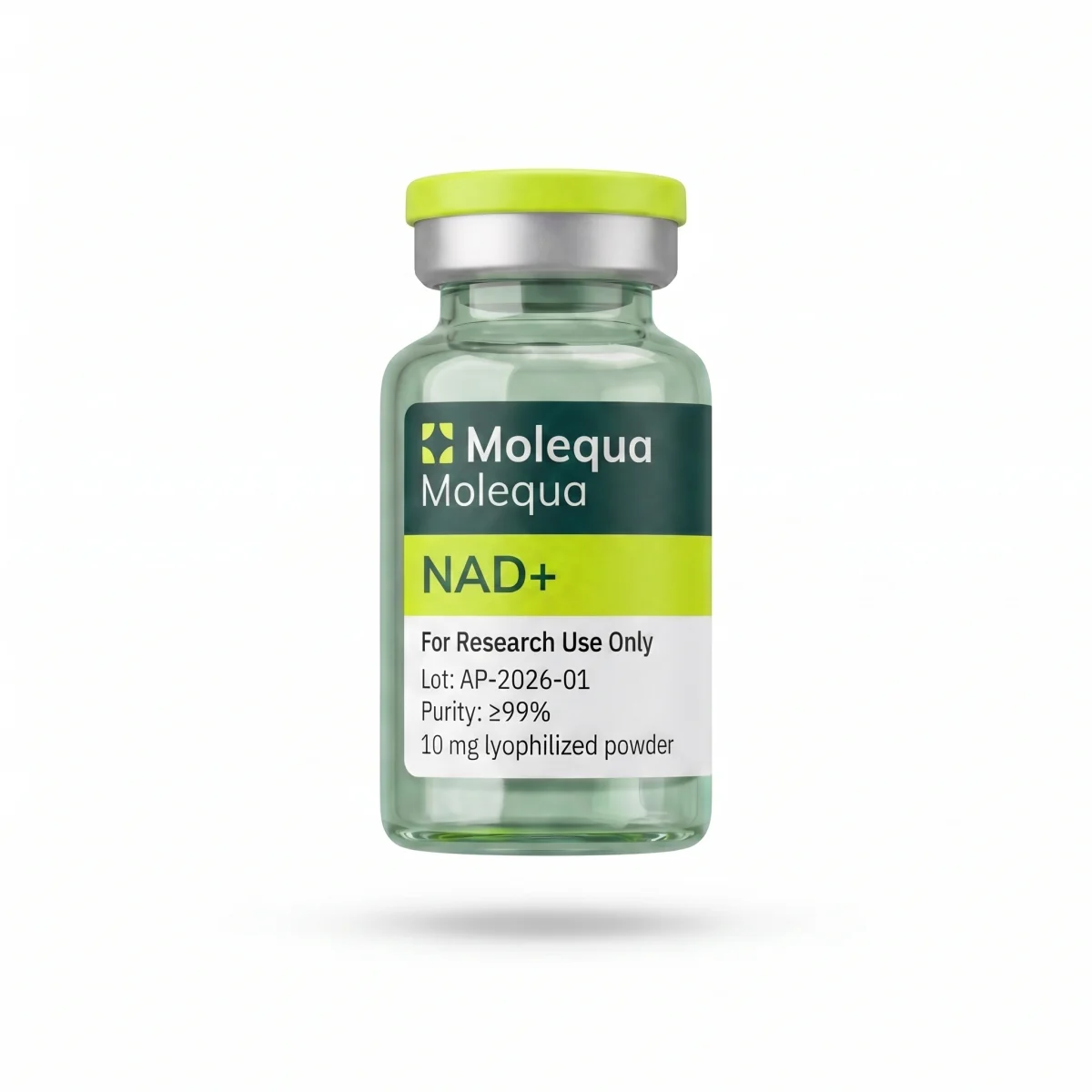
High-quality NAD+ is delivered as a lyophilizate (white powder), not as a pre-mixed solution. Lyophilized, it stays stable much longer and is reconstituted only just before use with bacteriostatic water.
Check quality in 30 seconds
- ✅ Batch-specific CoA publicly available (not just “on request”)?
- ✅ Purity proven with a chromatogram?
- ✅ LC-MS identity confirmed (mass 663.4 Da)?
- ✅ EU warehouse and batch traceability?
- ✅ Delivered as a lyophilizate with clear storage instructions?
If all five points are met, you are buying verified material. Every Molequa® batch ships with a batch-specific certificate of analysis, and LC-MS confirmation — you can find the current CoA in the Batch test results section below.
Legal notice: NAD+ is a research peptide and not an approved medicine. It is sold exclusively for scientific laboratory research and is not intended for human or animal consumption.
Science & studies
4.1 Key publications
Imai S., Guarente L. (2014). NAD+ and sirtuins in aging and disease. Trends Cell Biol. 24(8):464 to 471. Foundational review article.
Mills K.F., Yoshida S., Stein L.R., et al. (2016). Long-Term Administration of Nicotinamide Mononucleotide Mitigates Age-Associated Physiological Decline in Mice. Cell Metab. 24(6):795 to 806. Key animal study.
Yoshino M., Yoshino J., Kayser B.D., et al. (2021). Nicotinamide mononucleotide increases muscle insulin sensitivity in prediabetic women. Science. 372(6547):1224 to 1229. First randomized clinical trial of NMN.
Martens C.R., Denman B.A., Mazzo M.R., et al. (2018). Chronic nicotinamide riboside supplementation is well-tolerated and elevates NAD+ in healthy middle-aged and older adults. Nat Commun. 9(1):1286. Clinical validation of NR.
Trammell S.A., Schmidt M.S., Weidemann B.J., et al. (2016). Nicotinamide riboside is uniquely and orally bioavailable in mice and humans. Nat Commun. 7:12948. Pharmacokinetic study.
Verdin E. (2015). NAD+ in aging, metabolism, and neurodegeneration. Science. 350(6265):1208 to 1213. Review article.
4.2 Detailed expandable studies
▸ Study 1: Imai & Guarente 2014, foundational review article
Citation: Imai S., Guarente L. NAD+ and sirtuins in aging and disease. Trends Cell Biol. 2014;24(8):464 to 471.
What they did: Review article by two founders of the NAD+/sirtuin field. Imai and Guarente were key in discovering the sirtuin deacetylase activity in the 1990s. They cover: NAD+ biochemistry, sirtuin biology, age-related changes, therapeutic perspectives.
What they found (summary):
- NAD+ levels decline linearly with age in all tissues
- Sirtuins are “glucose sensors”, activated during caloric restriction and fasting
- The decline in NAD+ leads to “pseudohypoxia” in aging cells
- Supplementation with NAD+ precursors in animal models restores sirtuin activity
- Therapeutic perspectives: NMN, NR, sirtuin activators, CD38 inhibitors
Why it matters: This is the reference article for the entire field. For the research context it provides the conceptual framework in which NAD+ exists as a longevity molecule. The Imai-Guarente hypothesis is today the best-developed molecular theory of aging.
▸ Study 2: Mills 2016, key animal study
Citation: Mills K.F., Yoshida S., Stein L.R., et al. Long-Term Administration of NMN Mitigates Age-Associated Physiological Decline in Mice. Cell Metab. 2016;24(6):795 to 806.
What they did: Long-term study. Aging C57BL/6N mice (from 5 months to ~16 months) received NMN in drinking water at doses of 100 or 300 mg/kg/day. Duration: 12 months (the longest NMN study to that date). Assessment: body weight, body composition, insulin sensitivity, lipid profile, physical activity, bone density, ophthalmologic parameters, cognition.
What they found:
- Prevention of age-related changes in gene expression, NMN-treated mice had an expression profile closer to young mice
- Restoration of mitochondrial function in multiple tissues
- Improvement of insulin sensitivity of 35 to 50 %
- Preserved muscle strength and endurance
- Preserved bone density
- Better vision (NMN-treated mice had a slower decline in ophthalmologic parameters)
- No serious adverse effects
Why it matters: This is the most ambitious preclinical study of NMN/NAD+ in animal aging models. It demonstrated that long-term supplementation with NAD+ precursors can slow many aspects of aging in mice. It became the basis for the human clinical trials that followed. For the research context it is robust proof of concept.
▸ Study 3: Yoshino 2021, first RCT of NMN in humans
Citation: Yoshino M., Yoshino J., Kayser B.D., et al. NMN increases muscle insulin sensitivity in prediabetic women. Science. 2021;372(6547):1224 to 1229.
What they did: n = 25 postmenopausal women with prediabetes and obesity. Randomized double-blind placebo-controlled study. NMN 250 mg orally daily vs placebo. Duration: 10 weeks. Primary endpoint: change in insulin signaling in muscle (via muscle biopsy).
What they found:
- Significant improvement in muscle insulin signaling (AKT/mTOR pathway)
- Increased expression of genes for mitochondrial biogenesis
- Increased expression of tissue remodeling
- Drop in HOMA-IR of ~25 %
- No adverse events
Why it matters: This was the first high-quality randomized clinical trial of NMN in humans. Publication in Science gave the NAD+ field academic legitimacy. Limitations: small sample, one type of patients (postmenopausal women with prediabetes), short duration. But a proof of concept for the human translation of NAD+ research.
▸ Study 4: Martens 2018, chronic NR supplementation
Citation: Martens C.R., Denman B.A., Mazzo M.R., et al. Chronic nicotinamide riboside supplementation is well-tolerated and elevates NAD+ in healthy middle-aged and older adults. Nat Commun. 2018;9(1):1286.
What they did: n = 30 healthy middle-aged and older adults (55 to 79 years). Randomization: NR 500 mg orally 2× daily (1 g/day total) vs placebo. Duration: 6 weeks per phase, cross-over design. Assessment: plasma NAD+ pool, blood pressure, arterial stiffness, glycemia, lipid profile.
What they found:
- Plasma NAD+ increased by 60 % in the NR arm
- Mild reduction of systolic blood pressure by 6 mmHg
- Improvement in arterial stiffness (markers of endothelial function)
- No effect on glycemia in the healthy population
- Excellent safety profile, no serious adverse events
Why it matters: The study validated the oral bioavailability of NR and the ability to long-term increase the NAD+ pool in humans. From a safety perspective it is an important publication, NR became a safe supplement with real biochemical effects. NMN has a more complicated regulatory status in the US (the FDA excluded it from the dietary category in 2022); NR remains available as Niagen.
▸ Study 5: Trammell 2016, pharmacokinetics
Citation: Trammell S.A., Schmidt M.S., Weidemann B.J., et al. Nicotinamide riboside is uniquely and orally bioavailable in mice and humans. Nat Commun. 2016;7:12948.
What they did: Pharmacokinetic study of NR after oral administration in mice and humans (n = 12 healthy volunteers). Monitoring of plasma levels of NR, NMN, NAD+, NADH, nicotinamide, nicotinic acid at various time points (5 min, 30 min, 1 h, 2 h, 4 h, 8 h, 24 h).
What they found:
- NR is rapidly absorbed orally, peak at 30 minutes
- NR is converted to NAD+ in multiple tissues, liver, muscle, blood
- Plasma NAD+ rises 2 to 8× after a single dose
- Optimal dosing regimens: 100 to 1000 mg
- No accumulation of toxic metabolites
Why it matters: This is the reference pharmacokinetic publication for NR and NMN. It demonstrates that NAD+ precursors really do reach intracellular targets. For the research context it provides a quantitative framework for dosing protocols. Limitation: direct measurement of intracellular NAD+ in different tissues in humans is technically challenging; most data are from plasma or peripheral cells (PBMCs).
▸ Study 6: Verdin 2015, review article in Science
Citation: Verdin E. NAD+ in aging, metabolism, and neurodegeneration. Science. 2015;350(6265):1208 to 1213.
What they did: Review article in Science. Eric Verdin (Buck Institute) summarized the state of the NAD+ field: biochemistry, mitochondrial function, sirtuins, PARP, CD38, neurological applications, therapeutic perspectives.
What they found (summary):
- NAD+ is “the integrator of metabolic and stress signals”
- The decline in NAD+ with age is a causal factor, not merely a correlation
- PARP and CD38 are the main consumers of NAD+ in aging cells
- Selective CD38 inhibitors are a new therapeutic option
- NAD+ has potential in neurodegeneration (Alzheimer’s, Parkinson’s, ALS)
Why it matters: Verdin’s review in Science gave the NAD+ field academic prestige. For the research context it expanded the perspective from pure longevity to specific clinical indications, especially neurodegenerative diseases, where mitochondrial dysfunction and NAD+ deficit play a central role.
▸ Study 7: Grant 2019, IV NAD+ clinical observational study
Citation: Grant R., Berg J., Mestayer R., et al. A Pilot Study Investigating Changes in the Human Plasma and Urine NAD+ Metabolome During a 6 Hour Intravenous Infusion of NAD+. Front Aging Neurosci. 2019;11:257.
What they did: Pilot study of a human IV NAD+ infusion. n = 8 healthy volunteers received 750 mg NAD+ as a 6-hour IV infusion. Assessment: changes in the plasma and urinary NAD+ metabolome via LC-MS, clinical symptoms, vital signs.
What they found:
- Plasma NAD+ did not rise directly, it was rapidly metabolized
- Plasma nicotinamide and methyl-nicotinamide rose markedly, markers of NAD+ metabolism
- NAD+ likely reaches tissues as its metabolites (not as whole NAD+)
- Clinically, patients subjectively reported increased energy during and after the infusion
- No serious adverse events during the 6-hour IV infusion
Why it matters: The study provides rare clinical data on IV NAD+, the administration route used by “NAD+ clinics” off-label. Conclusion: direct IV NAD+ has a real biological effect, although the mechanism is more complex than simple replenishment of the NAD+ pool (via metabolites). For the research context this validates IV NAD+ as a legitimate entry route for experimental use.
Storage
Lyophilizate (dry powder before reconstitution)
- 3 years at −20 °C (freezer)
- 2 years at 2 to 8 °C (refrigerator)
- Only short-term (up to 7 days) at room temperature, NAD+ is less stable than peptides
- Protect from light and moisture (extremely hygroscopic)
After reconstitution (NAD+ in solution)
- Only 7 to 14 days at 2 to 8 °C, NAD+ has a shorter shelf life in solution than peptides
- A NAD+ solution is especially sensitive to light, heat, and pH changes
- For long-term storage after reconstitution: freeze in aliquots at −20 °C, use within 3 months
Practical storage rules
- Let the vial warm to room temperature (15 to 20 min) before opening. NAD+ is hygroscopic (attracts moisture from the air); condensation can rapidly degrade the lyophilizate.
- Darkness is your friend, NAD+ is sensitive to UV light. The adenine component of the molecule absorbs at 260 nm.
- Avoid contact with reducing agents, cysteine, glutathione, ascorbate, DTT. Reduction of NAD+ → NADH changes the pharmacological profile.
- pH control is important, NAD+ is stable at neutral pH (6.5 to 7.5). Acidic pH (< 5) accelerates hydrolysis to nicotinamide and ADP-ribose.
- Do not shake! Even though NAD+ is not a peptide, mechanical stress can contribute to degradation.
- The solution should remain colorless or very slightly yellow. A brownish color indicates degradation, do not use.
Stacking tips, Frequently combined peptides and molecules
In the research literature NAD+ is often part of longevity combination protocols, addressing the mitochondrial and sirtuin axis that is complementary to other longevity mechanisms.
MOTS-c, parallel mitochondrial support
The most logical combination partner for NAD+. MOTS-c activates the AMPK pathway and stimulates mitochondrial biogenesis. NAD+ provides substrate for sirtuins and coenzymatic support for the Krebs cycle and OXPHOS. Together they cover two independent axes of mitochondrial function, energetics and regulatory signaling.
Epithalon, complementary longevity axis
Epithalon addresses cellular aging via telomeres and gene expression. NAD+ addresses metabolic aging via sirtuins and mitochondria. Two independent hallmarks of aging, a strong theoretical basis for combination.
Resveratrol or Pterostilbene, sirtuin activators
These are non-peptide small molecules with direct activator capacity on SIRT1. When combined with NAD+, a “dual sirtuin stimulation” arises, more substrate (NAD+) + direct activator (resveratrol). A classic longevity combination described by David Sinclair.
Spermidine, autophagy
Spermidine induces autophagy (the cellular recycling process). NAD+ supports sirtuins, which regulate the autophagy program. A complementary mechanism. In Sinclair’s protocols they are combined.
Metformin, AMPK activator
Metformin activates AMPK (same as MOTS-c). NAD+ supports sirtuins. AMPK and sirtuins have overlapping targets, the combination can be supra-additive. But: metformin can paradoxically inhibit mitochondrial function in complex I, the relationship with NAD+ is complex and requires careful research design.
Semaglutide or Tirzepatide, metabolic complement
GLP-1 agonists address appetite and weight. NAD+ addresses mitochondrial function in remaining muscle mass. With rapid weight reduction by GLP-1 agonists, muscle NAD+ also drops; replenishment may be relevant.
BPC-157 and TB-500, regeneration
In training or in regeneration after injuries, tissue energy demand rises. NAD+ supports the energetics of regenerating cells; BPC-157/TB-500 stimulate regeneration pathways. A complementary combination for research in sports medicine.
Key scientific figures and citations
“NAD+ is a central metabolic cofactor whose levels decline with age across multiple tissues, and its restoration via dietary precursors improves mitochondrial function, insulin sensitivity, and healthspan in animal models.”
Rajman L., Chwalek K., Sinclair DA. (2018), Cell Metab 27(3), PubMed 29514064
Statistics from preclinical literature
- NAD+ (nicotinamide adenine dinucleotide), a key cofactor of redox reactions and substrate for sirtuins, PARP, CD38, molecular weight 663.43 g/mol (not a peptide, but traditionally included in peptide research collections)
- Identified by Arthur Harden (Nobel Prize 1929) in 1906 as a “coferment”
- Standard experimental intravenous dose in clinical studies: 250–750 mg/day for 4–10 days (Grant 2019, Conlon & Bird 2020)
- NAD+ levels decline with age by ~50 % in various tissues between ages 30 and 80 (Massudi 2012)
- Mechanism of supplementation: direct intravenous repletion, or precursors NR (nicotinamide riboside), NMN (nicotinamide mononucleotide) that are converted to NAD+ via NAMPT/NRK enzymes
- In Conlon & Bird (2020, n=11): NAD+ IV infusion 750 mg/day for 6 days raised plasma NAD+ by ~40 % over baseline
- NR and NMN are registered in the USA as dietary supplements (NDI status); NAD+ itself is not a medicinal product
- Approximately 50,000+ publications in PubMed on NAD+ biology (1930–2024)
Reference sources (PubMed)
- Rajman L. et al. (2018). “Therapeutic potential of NAD-boosting molecules: the in vivo evidence.” Cell Metab 27(3):529–547. PubMed 29514064
- Massudi H. et al. (2012). “Age-associated changes in oxidative stress and NAD+ metabolism in human tissue.” PLoS One 7(7):e42357. PubMed 22848760
- Conlon N., Bird L. (2020). “The Effects of an Intravenous NAD+ Therapy on a Cohort of Adult Patients.” J Diet Suppl (Open-label study).
- Mills KF. et al. (2016). “Long-term administration of nicotinamide mononucleotide mitigates age-associated physiological decline in mice.” Cell Metab 24(6):795–806. PubMed 28068222
Regulatory status: NAD+ itself is not an approved human medicinal product in any regulatory zone (FDA, EMA, or any national medicines agency). The precursors NR (Niagen) and NMN have US NDI status as dietary supplements. In the EU, NMN is classified as a Novel Food without approval (regulatory area still open). Existing clinical data on IV NAD+ come from small open-label studies. The product is sold strictly for laboratory scientific research (RUO).
Frequently asked questions about NAD+
These questions address the most common research-context searches about NAD+. For full technical documentation see the sections above.
What is NAD+ and what is it used for in research?
NAD+ (nicotinamide adenine dinucleotide, 663 Da, CAS 53-84-9) is an essential coenzyme present in all living cells. In research it serves as substrate for sirtuins (SIRT1-7), PARP enzymes and CD38, key regulators of cellular aging, DNA repair and metabolism. It is studied in animal models of aging, neurodegeneration and metabolic disease.
What dose of NAD+ do scientists use in animal models?
In clinical studies (Yoshino, Brenner) NAD+ precursors (NR, NMN) are administered 250 to 1000 mg/day orally. Direct intravenous NAD+ is tested at doses of 500 to 1000 mg infused over 2 to 6 hours. Animal studies test doses of 100 to 500 mg/kg.
What is the difference between NAD+ and 5-Amino-1MQ?
NAD+ is a direct substrate replenishing cellular pools (low oral bioavailability), whereas 5-Amino-1MQ is an NNMT enzyme inhibitor protecting existing NAD+ from degradation. NAD+ requires IV administration or precursors (NR/NMN), 5-Amino-1MQ is orally bioavailable.
Is NAD+ an approved medicine or research substance?
NAD+ is not an approved human medicine in the EU or USA; it is registered as a dietary supplement (NR precursors have GRAS status in the USA). EMA has not approved NAD+ or its precursors as a medicine. The product is sold strictly for laboratory scientific research (RUO).
How is NAD+ stored?
Lyophilised NAD+ should be stored at −20 °C protected from light and moisture, stability 2 years. NAD+ is highly hygroscopic, seal the vial tightly after every use. After reconstitution in saline use within 7 days at 2 to 8 °C, NAD+ in solution is less stable than other peptides.
What is the half-life of NAD+ and how often is it administered in studies?
NAD+ has a very short plasma half-life (< 10 minutes intravenously) due to rapid extracellular hydrolysis by the CD38 enzyme. In clinical protocols it is administered as a slow 2 to 6 hour infusion to maintain target plasma levels.
Where to buy NAD+ in the EU for scientific research?
NAD+ for scientific research in the EU is offered by Molequa® with FedEx delivery in 3 to 5 business days across the EU. The product ships lyophilised with a Certificate of Analysis (COA), HPLC purity ≥ 99 %. The product is strictly for laboratory scientific research (RUO).