



Quick overview
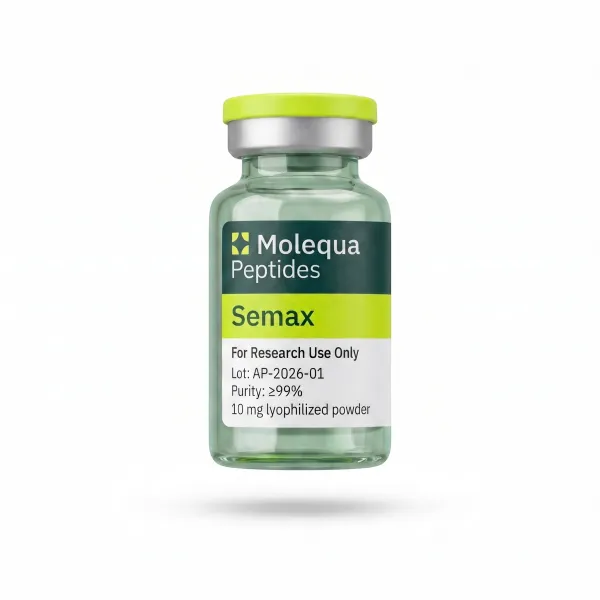
Semax is a fragment of the ACTH hormone stripped of hormonal activity, developed at the Russian Institute of Molecular Genetics. Research focuses on BDNF, focus and neuroprotection.
- Registered as a medicine in Russia since the 1990s
- Raises BDNF expression in preclinical models
- An ACTH fragment without hormonal activity
- Forms the complete nootropic duo with Selank
Read more Close
Overview
Where it comes from and why it was created
The story of Semax begins in Moscow in the 1980s, at the Institute of Molecular Genetics of the Russian Academy of Sciences, the same institute that later developed Selank. The team of Nikolai Myasoedov and Konstantin Anokhin worked on fragments of ACTH (adrenocorticotropic hormone) as potential neuroactive molecules.
The starting point was ACTH 4-10, a heptapeptide fragment of the full ACTH molecule (39 amino acids). The original ACTH primarily stimulates the adrenal cortex to produce cortisol, that is a well-known function. But research in the 1970s and 1980s showed that shorter fragments of ACTH (particularly 4-10) have independent neurological effects, they improve learning, memory, concentration, neuroprotection, without effect on the adrenals.
This was interesting. Could an ACTH fragment be a “pure nootropic” without cortisol-related side effects? The problem: the original ACTH 4-10 (Met-Glu-His-Phe-Arg-Trp-Gly) had a very short half-life (seconds) and did not sufficiently cross the blood-brain barrier. For practical therapeutic use, it needed chemical optimization.
Myasoedov and colleagues used the same strategy as later with Selank, they added a Pro-Gly-Pro C-terminal extension. The original Arg-Trp-Gly was replaced by Pro-Gly-Pro, which:
- Dramatically extended the half-life (seconds → hours)
- Improved BBB penetration thanks to proline bonds
- Lost the ability to bind to MC2R (adrenal ACTH receptor), no effect on adrenals
- Preserved neurological activity
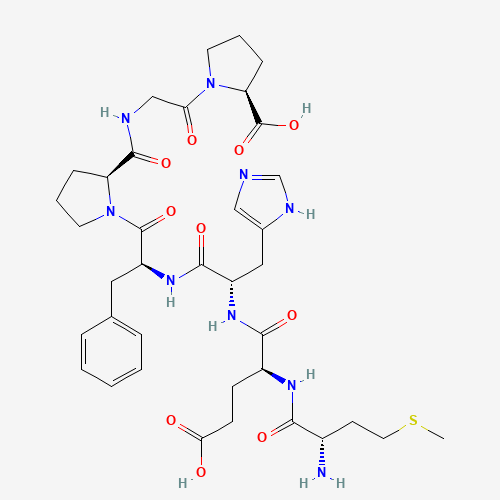
The result: Semax, a heptapeptide with the sequence Met-Glu-His-Phe-Pro-Gly-Pro. A combination of the words “Sem” (the name for additional peptides in Myasoedov’s series) and the designation “active”. Developed in the 1980s, clinical trials began in the 1990s.
Clinical program and Russian approval
The main indication for which Semax began to be developed was acute ischemic stroke (CVA). In the acute phase of stroke, neurons die in the ischemic core, but around it is a “penumbra”, a zone of threatened but still living neurons. If we could save these neurons, we could dramatically reduce the subsequent neurological deficit.
In the 1990s and 2000s, the Institute of Molecular Genetics conducted extensive clinical trials of Semax in the acute stroke indication. The key Phase 3 study Skvortsova et al. (2008) showed that intranasal Semax administered in the first hours of stroke:
- Reduces infarct size on MRI by ~30 %
- Improves functional outcome (NIHSS score, modified Rankin score)
- Reduces 30-day mortality
- Is safe with an excellent side-effect profile
In 2009, the Russian regulator added Semax to the List of Vital and Essential Medicinal Products (ZHNVLP), this is a special status for drugs that are indispensable for public health. Semax has since been used in standard Russian neurological practice for:
- Acute ischemic stroke
- Transient ischemic attacks (TIA)
- Discirculatory encephalopathy (chronic cerebrovascular insufficiency)
- Cognitive disorders (mild cognitive impairment, age-related)
- Optic neuropathy and some ophthalmological indications
- Asthenodepressive syndromes
- ADHD in children (higher dose 1.0 %)
- Stress load and prevention of stress (lower dose 0.1 %)
In the US and EU, Semax is not approved. Molequa® supplies the pure form for research purposes.
Mechanism of action, stimulation of neurotrophic signaling
Semax is unique in this: it does not have an identified specific receptor, but its mechanism is well characterized via secondary neurotrophic factors.
Stimulation of BDNF (Brain-Derived Neurotrophic Factor)
The most accepted mechanism. Semax increases expression and release of BDNF in the hippocampus and frontal cortex. BDNF is a key neurotrophic factor, a protein that:
- Supports survival of neurons during oxidative stress and ischemia
- Stimulates synaptic plasticity (learning and memory)
- Regulates neuronal differentiation in the hippocampus (where adult neurogenesis occurs)
- Modulates mood (BDNF deficit is the central hypothesis of depression)
BDNF stimulation explains the main clinical effects of Semax, cognitive improvement, neuroprotection in stroke, antidepressant effects.
Stimulation of NGF (Nerve Growth Factor)
In parallel with BDNF, Semax also increases NGF, the second main neurotrophic factor. NGF is particularly important for:
- Cholinergic neurons in the basal forebrain (affected in Alzheimer’s disease)
- Sensory and sympathetic neurons (significance in peripheral neuropathy)
- Optic and retinal neurons (justifies use in ophthalmology)
Modulation of dopaminergic and serotonergic systems
Semax modulates monoamine neurotransmitter systems in various brain areas:
- Increase in dopamine in nucleus accumbens and frontal cortex → motivational and anti-anhedonic effect
- Modulation of serotonin → antidepressant effects
- Activation of noradrenergic neurons in locus coeruleus → improvement in attention and arousal
This profile partially explains the use of Semax for ADHD, where a deficit of dopamine and noradrenaline in the frontal cortex plays a key role.
Antioxidant effects
In cerebral ischemia, large amounts of free radicals are produced, which damage neurons in the penumbra. Semax stimulates endogenous antioxidant enzymes (SOD, catalase, glutathione peroxidase) and reduces lipid peroxidation in neurons.
This mechanism is central to the neuroprotective effect of Semax in stroke, several animal and clinical studies have demonstrated reduction of oxidative damage in ischemic neurons.
Anti-inflammatory effects in CNS
Stroke induces a strong inflammatory response, microglia are activated, neutrophils infiltrate, pro-inflammatory cytokines are produced (TNF-α, IL-1β, IL-6). This inflammation expands neuronal damage. Semax modulates neuroinflammation:
- Decrease in pro-inflammatory cytokines (TNF-α, IL-6)
- Increase in anti-inflammatory cytokines (IL-10)
- Reduction of microglial activation
This is an important supplementary mechanism of neuroprotection.
No effect on the adrenals
This is a key point. Although Semax is derived from ACTH, it lost the ability to bind to MC2R (adrenal ACTH receptor). The original ACTH requires specific amino acids at positions 11-24 for the adrenal effect. Semax (only 4-10 + Pro-Gly-Pro) does not have these positions. Practical consequence:
- Does not increase cortisol
- No endocrine side effects (Cushing’s syndrome, sodium retention)
- No HPA dysregulation
This is the surgical separation of the neurological effect of ACTH from its adrenal effect.
Investigated applications
In the published preclinical and clinical literature (with a predominance of Russian research), effects of Semax are documented in the following areas:
- Acute ischemic cerebrovascular events, approved Russian indication (Skvortsova 2008)
- Transient ischemic attacks, approved Russian indication
- Discirculatory encephalopathy, approved Russian indication
- Age-related cognitive disorders, approved Russian indication
- Optic neuropathy and glaucomatous neurons, approved Russian ophthalmological indication
- ADHD in children and adults, approved Russian indication (1.0 % concentration)
- Post-traumatic stress disorder, exploratory clinical experience
- Depression, adjuvant use
- Stress reactions and burnout, observational data (0.1 % concentration)
- Cognitive improvement in healthy subjects, nootropic research
Buying Semax: what to look for
When buying Semax, the decisive criterion is not the price but the verifiability of quality. A research peptide is only ever as good as its certificate of analysis. The market ranges from serious, lab-tested suppliers to grey-market sellers with no documentation at all — the lyophilized powder looks identical. These five criteria separate them.
1. HPLC purity ≥ 99 % – documented, not just claimed
HPLC purity shows what proportion of the powder is actually Semax. Serious suppliers document ≥ 99 % with a chromatogram. “99 % purity” without an attached chromatogram is a claim, not proof.
2. Batch-specific certificate of analysis (CoA)
The most important document. A batch-specific CoA belongs to exactly the batch you receive — with batch number, date and purity value, issued by an independent laboratory (Janoshik and similar are the industry standard). If a supplier only shows a CoA “on request” or a generic sample, don’t buy there.
3. LC-MS identity confirmation
Purity tells you how much of a substance is present; LC-MS tells you which substance it is. Via the molecular mass (813.9 Da) it confirms this is the correct identity of Semax, not a cheaper, mislabeled peptide.
4. Origin and EU shipping with traceability
A supplier with an EU warehouse and full batch traceability has the edge over grey imports from Asia: shorter, cooled transport and no customs risk. Molequa® ships from within the EU, typically within 3 to 5 business days — no post-Brexit customs delays.
5. Correct delivery form: lyophilizate
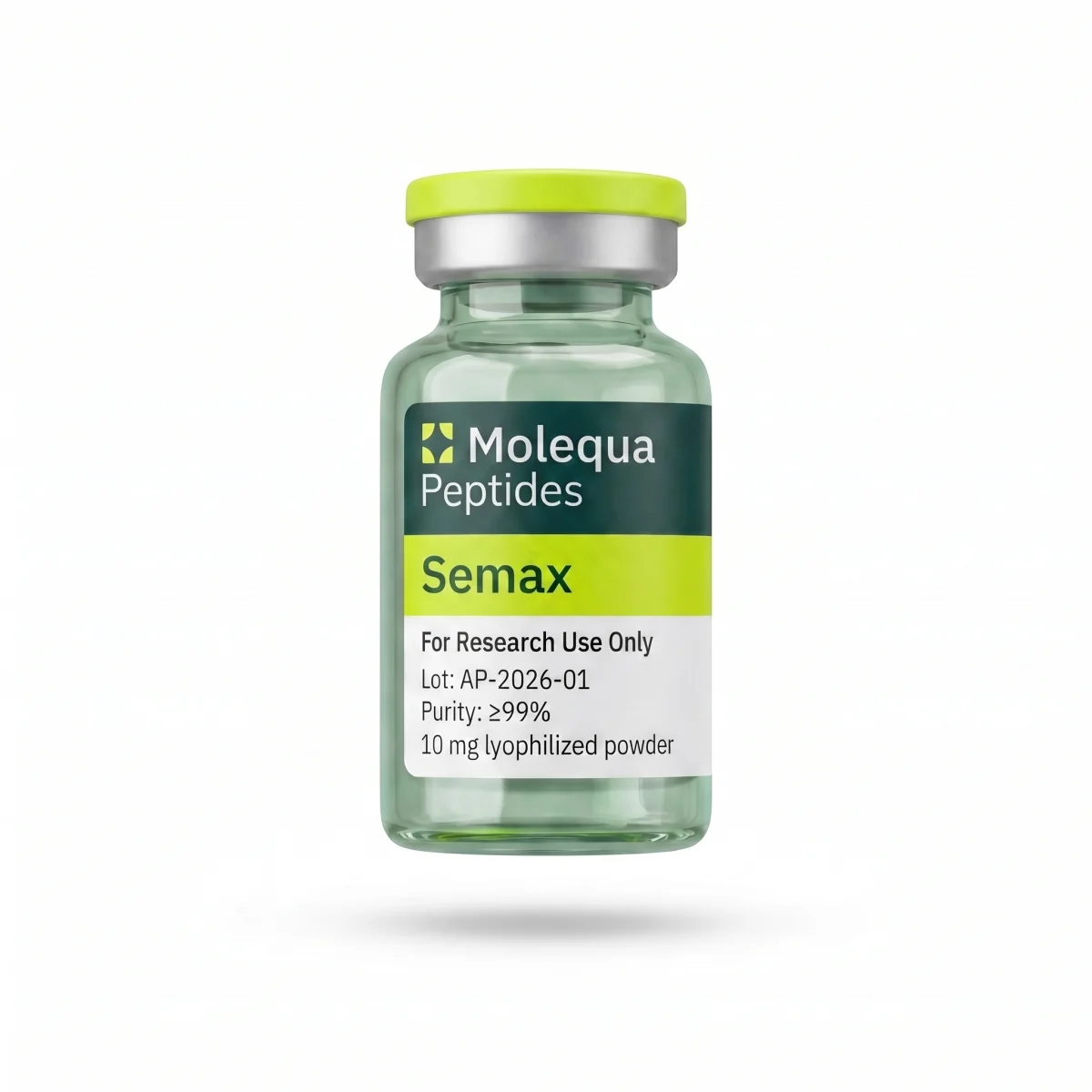
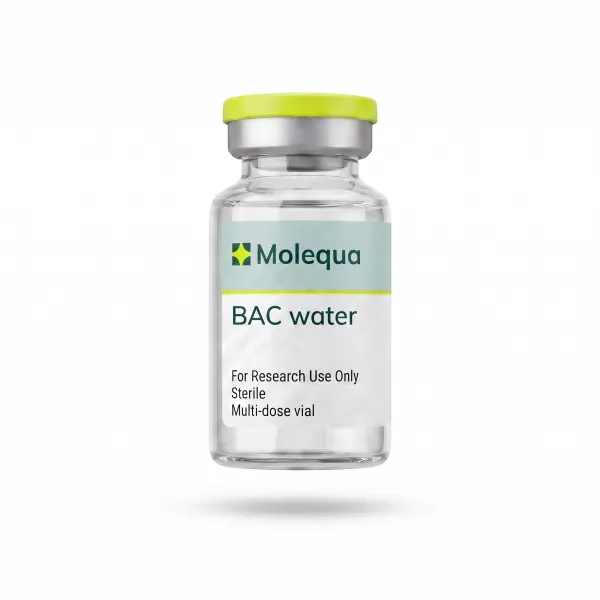
High-quality Semax is delivered as a lyophilizate (white powder), not as a pre-mixed solution. Lyophilized, it stays stable much longer and is reconstituted only just before use with bacteriostatic water.
Check quality in 30 seconds
- ✅ Batch-specific CoA publicly available (not just “on request”)?
- ✅ HPLC purity ≥ 99 % proven with a chromatogram?
- ✅ LC-MS identity confirmed (mass 813.9 Da)?
- ✅ EU warehouse and batch traceability?
- ✅ Delivered as a lyophilizate with clear storage instructions?
If all five points are met, you are buying verified material. Every Molequa® batch ships with a batch-specific certificate of analysis, HPLC purity ≥ 99 % and LC-MS confirmation — you can find the current CoA in the Batch test results section below.
Legal notice: Semax is a research peptide and not an approved medicine. It is sold exclusively for scientific laboratory research and is not intended for human or animal consumption.
Science & Studies
4.1 Key publications
Gusev E.I., Skvortsova V.I., Miasoedov N.F., et al. (1997). Effectiveness of semax in acute period of hemispheric ischemic stroke (a clinical and electrophysiological study). Zh Nevrol Psikhiatr Im S S Korsakova. 97(6):26 to 34., Pivotal stroke trial.
Skvortsova V.I., Raevsky K.S., Kovalenko A.V., et al. (2008). Levels of neurotransmitter amino acids in the cerebrospinal fluid of patients with acute ischaemic insult. Neurosci Behav Physiol. 38(1):95 to 98., Mechanism of stroke effect.
Kaplan A.Y., Kochetova A.G., Nezavibathko V.N., et al. (1996). Synthetic ACTH analogue Semax displays nootropic-like activity in humans. Neurosci Res Commun. 19(2):115 to 123., Clinical cognitive data.
Levitskaya N.G., Sebentsova E.A., Andreeva L.A., et al. (2002). Comparative study of the behavioral effects of ACTH(4-10) fragment and its analogue Semax. Neurosci Behav Physiol. 32(4):355 to 360., Behavioral comparison.
Asmarin I.P., Nezavibathko V.N., Mjasoedov N.F., et al. (1997). A nootropic adrenocorticotropin analog 4-10-Semax (15 years experience in its design and study). Zh Vyssh Nerv Deiat Im I P Pavlova. 47(2):420 to 430., Historical review by the founder.
Medvedeva E.V., Dmitrieva V.G., Povarova O.V., et al. (2014). The peptide Semax affects expression of genes related to the immune and vascular systems in rat brain focal ischemia: genome-wide transcriptional analysis. BMC Genomics. 15:228., Modern expression profile.
4.2 Detailed expandable studies
▸ Study 1: Gusev & Skvortsova 1997, pivotal stroke study
Citation: Gusev E.I., Skvortsova V.I., Miasoedov N.F., et al. Effectiveness of semax in acute period of hemispheric ischemic stroke. Zh Nevrol Psikhiatr Im S S Korsakova. 1997;97(6):26 to 34.
What they did: Clinical trial. n = 110 patients with acute ischemic hemispheric stroke, randomized in the first 6 hours. Semax group (intranasally 12 to 18 mg daily, divided into 3 doses) vs standard treatment. Duration: 10 days of acute phase, follow-up 21 days. Assessment: NIHSS (National Institutes of Health Stroke Scale), Scandinavian Stroke Scale, cognitive tests, EEG.
What they found:
- Significantly better recovery in NIHSS score in the Semax group vs control
- Faster regression of motor deficit, Semax patients achieved 50 % improvement ~3 days earlier
- Improvement in cognitive functions (attention, memory)
- EEG normalization faster in the Semax group
- Safety profile comparable to placebo
- No hormonal effects (cortisol normal)
Why it matters: This was the pivotal study that led to Russian approval of Semax for acute stroke. It demonstrated that the molecule has a clinically measurable neuroprotective effect in a window of time criticality. Inclusion in the List of Vital and Essential Medicinal Products of the Russian Federation followed. Limitations: Russian population, single-site, open-label design, independent Western trials remain limited.
▸ Study 2: Skvortsova 2008, mechanism of stroke effect
Citation: Skvortsova V.I., Raevsky K.S., Kovalenko A.V., et al. Levels of neurotransmitter amino acids in the cerebrospinal fluid of patients with acute ischaemic insult. Neurosci Behav Physiol. 2008;38(1):95 to 98.
What they did: Mechanistic study. n = 60 patients with acute stroke. Lumbar samples of cerebrospinal fluid (CSF) in the first 24 hours, 7 days and 14 days. Monitoring: concentrations of excitotoxic amino acids (glutamate, aspartate) and inhibitory ones (GABA, glycine), markers of oxidative stress. Half of the patients received Semax, half standard treatment.
What they found:
- Decrease in excitotoxic amino acids in the Semax group (glutamate −40 %)
- Increase in inhibitory amino acids (GABA, glycine)
- Decrease in markers of oxidative stress in CSF
- Correlation of neurochemical changes with clinical improvement
Why it matters: The study provides a molecular explanation for the clinical effect of Semax in stroke. Excitotoxicity (overexposure to glutamate) is the main mechanism of neuronal death in the penumbra, and Semax modulates this mechanism. This is an important contribution to understanding why Semax works.
▸ Study 3: Kaplan 1996, clinical cognitive data
Citation: Kaplan A.Y., Kochetova A.G., Nezavibathko V.N., et al. Synthetic ACTH analogue Semax displays nootropic-like activity in humans. Neurosci Res Commun. 1996;19(2):115 to 123.
What they did: n = 28 healthy volunteers in a double-blind placebo-controlled study. Semax 250 µg/kg intranasally vs placebo. Assessment: tests of attention, short-term memory, learning, EEG, subjective reporting.
What they found:
- Improvement in attention by 15 to 20 % vs placebo (Schulte table, Bourdon correction test)
- Improvement in short-term memory by ~12 %
- EEG changes characteristic of increased alertness (decrease in theta, increase in alpha)
- Subjectively, improved concentration, no nervousness or drowsiness
- The effect set in within 30 minutes and persisted ~24 hours
- No side effects
Why it matters: The study validated the nootropic profile of Semax in healthy people, not just in stroke patients. It opened a broader indication for cognitive improvement in healthy subjects. It was also one of the few Semax studies published in Western journals in the 1990s.
▸ Study 4: Levitskaya 2002, behavioral comparison
Citation: Levitskaya N.G., Sebentsova E.A., Andreeva L.A., et al. Comparative study of the behavioral effects of ACTH(4-10) fragment and its analogue Semax. Neurosci Behav Physiol. 2002;32(4):355 to 360.
What they did: Animal study. Rats in behavioral tests (Morris water maze, passive avoidance, elevated plus maze) randomized to: original ACTH 4-10, Semax, or placebo. Same doses, different times of administration.
What they found:
- Semax had a 5 to 10× stronger and longer-lasting effect than the original ACTH 4-10
- Duration of Semax effect: 20 to 24 hours; ACTH 4-10: 1 to 2 hours
- Memory enhancement in Morris water maze
- Anti-anxiolytic effect in elevated plus maze (weaker than Selank)
- No effect on cortisol vs the original ACTH (which increases cortisol)
Why it matters: The study directly quantified the superiority of Semax over the parent fragment. The Pro-Gly-Pro extension is not just cosmetic, it dramatically changes pharmacokinetics and clinical usability.
▸ Study 5: Asmarin 1997, historical review article
Citation: Asmarin I.P., Nezavibathko V.N., Mjasoedov N.F., et al. A nootropic adrenocorticotropin analog 4-10-Semax (15 years experience in its design and study). Zh Vyssh Nerv Deiat Im I P Pavlova. 1997;47(2):420 to 430.
What they did: Review article by the founder of peptide neurotherapy in Russia, Igor Asmarin and colleagues. Covers 15 years of Semax research: chemical development, animal models, clinical experience, mechanism of action, regulatory perspectives.
What they found (summary):
- Semax is the prototype of neuropeptide therapeutics in the Russian tradition
- Lost adrenal activity is key for the clinical profile, no cortisol-related problems
- Multimodal action, neurotrophic, monoamines, antioxidants, anti-inflammation
- Unprecedented safety profile, cumulatively >5,000 patients without serious adverse events
- Approval for stroke is the main clinical milestone
Why it matters: Asmarin’s review article provides historical context of Semax development. It is the reference article for Russian peptide neurotherapy, a parallel to Schoenenberger’s review article for DSIP and Khavinson’s for Epitalon.
▸ Study 6: Medvedeva 2014, modern expression profile
Citation: Medvedeva E.V., Dmitrieva V.G., Povarova O.V., et al. The peptide Semax affects expression of genes related to the immune and vascular systems in rat brain focal ischemia: genome-wide transcriptional analysis. BMC Genomics. 2014;15:228.
What they did: Modern genomic study. Rats in a model of focal cerebral ischemia (MCA occlusion) randomized to Semax (150 µg/kg IP) vs placebo. 4 hours post-ischemia, brain samples were taken. Genome-wide RNA-Seq, analysis of expression of all genes.
What they found:
- Semax modulated expression of >700 genes in the ischemic brain
- Main upregulated genes: neurotrophic factors (BDNF, NGF, IGF-1), antioxidant enzymes, anti-apoptotic (Bcl-2)
- Main downregulated genes: pro-inflammatory cytokines (TNF-α, IL-1β), apoptotic (Bax), excitotoxic components
- Modulation of vascular genes: angiogenesis, blood-brain barrier function
- Modulation of immune genes: regulation of microglia, reduction of neuroinflammation
Why it matters: The study provides the most comprehensive view of the molecular mechanism of Semax available in the current literature. It demonstrates that the effects of the molecule are not limited to one pathway, it is multimodal neuroprotection via gene expression. For the research context, it is key for understanding why Semax acts so broadly despite the short half-life.
▸ Study 7: Clinical data, ADHD and cognitive disorders
Citation: Maslova M.V., Maklakova A.S., Sokolova N.A., et al. (2005). Studies of behavioral effects of peptides Semax and Selank in models of attention deficit. Bull Exp Biol Med.
What they did: Animal study of ADHD-like behavior in a model of spontaneously hyperactive rats (SHR, Spontaneously Hypertensive Rats, an accepted animal model of ADHD). Randomization: Semax intranasal equivalent (75 to 150 µg/kg) vs placebo. Assessment: activity in open field, attention in continuous performance task, impulsivity, memory.
What they found:
- Reduction of hyperactivity in SHR rats (comparable to methylphenidate in a parallel group)
- Improvement in attention in sustained attention tasks
- Reduction of impulsivity
- Improvement of working memory
- No stimulant effects in control rats (in contrast to methylphenidate)
Why it matters: The study validated the ADHD indication of Semax, which in Russia is approved for the pediatric population (1.0 % concentration). The mechanism is different from stimulants, modulating dopamine and noradrenaline indirectly via neurotrophics, instead of direct blockade of reuptake. This provides an alternative to methylphenidate with a more favorable profile (no stimulation, no anorexia, no cardiovascular burden).
Storage
Lyophilizate (dry powder before reconstitution)
- 2 years at −20 °C (freezer)
- 18 months at 2 to 8 °C (refrigerator)
- Up to 30 days at room temperature (up to 25 °C), protect from light and moisture
After reconstitution (peptide in solution with bacteriostatic water)
- Up to 21 days at 2 to 8 °C, protected from light
- Semax is less stable in solution than Selank due to the oxidative sensitivity of methionine
Practical storage rules
- Allow the vial to warm to room temperature (15 to 20 min) before opening.
- Avoid contact with oxidizing agents, peroxides, free radicals. Methionine at position 1 is particularly sensitive to oxidation.
- Darkness is your friend, UV light can catalyze oxidation of methionine and phenylalanine.
- Do not shake! Mechanical stress can disrupt the conformation.
- The solution should remain clear and colorless. Yellowish coloring indicates oxidation, do not use.
Combination tips, Frequently combined peptides
Semax is often combined in the research literature with other neuroactive peptides.
Selank, anxiolytic complement
The most significant combination partner for Semax. Selank and Semax are “sister molecules”, both heptapeptides from the same Russian institute, both with a Pro-Gly-Pro extension strategy. The mechanisms are complementary:
- Semax: nootropic + neuroprotection via BDNF/NGF (cognition, ischemia)
- Selank: anxiolytic via GABA modulation (anxiety, stress)
- Together: a complex neurometabolic combination for stress-induced cognitive deficits, neurasthenia, age-related anxieties
In Russian psychiatric practice, this combination is described as the “classic neuro combination”.
DSIP, sleep axis
DSIP modulates sleep and the HPA axis. Semax acts on cognition and neuroprotection. Together they cover sleep, cognition, anxiety (with added Selank). A popular combination in geriatric protocols.
Epitalon, longevity axis
For research in the context of age-related neurological changes. Epitalon acts on the cellular level of aging (telomeres), Semax on the neurochemical level (BDNF, NGF). Complementary.
Cerebrolysin, neurotrophic synergy
Cerebrolysin is a complex of peptide fragments for stroke and neurodegenerative diseases. Mechanically similar to Semax, both increase neurotrophic factors. For research in recovery after stroke, they may be alternative, not strictly complementary (same targets through different molecules). Some Russian protocols combine them for a supra-additive effect.
BPC-157, vascular complement
Semax supports neuroprotection, BPC-157 supports vascular healing and angiogenesis. In ischemic states (stroke, TIA), they may be synergistic, Semax protects neurons, BPC-157 restores the vasculature.
Ipamorelin + CJC-1295, HPA and regeneration
For research in chronic stress, where GH secretion is disrupted. Semax stabilizes the neurochemical response, the GH combination restores anabolic signaling. Complementary for regeneration after long-term stress.
MOTS-c, mitochondrial support
Semax supports neuronal survival, MOTS-c supports mitochondrial function in neurons (where energy demands are extreme). Hypothetical synergy for neurodegenerative diseases.
Key scientific figures and citations
“Heptapeptide Semax (MEHFPGP) is a synthetic analog of ACTH(4-10) devoid of hormonal activity. In animal models and human clinical studies, Semax produces neuroprotective effects, modulating BDNF and NGF expression in the rat hippocampus within 3 hours of intranasal administration.”
Dolotov OV. et al. (2006), J Neurochem 97(s1), PubMed 16635258
Statistics from research literature
- Developed at the Institute of Molecular Genetics of the Russian Academy of Sciences under Prof. Ivan Ashmarin, synthesis patented in 1982
- Sequence: Met-Glu-His-Phe-Pro-Gly-Pro (7 amino acids, an analog of the ACTH(4-7) fragment with a C-terminal Pro-Gly-Pro extension for proteolytic stability)
- Molecular weight: 813.89 Da
- Approved medicine in the Russian Federation (registration 1993, Roszdravnadzor) as 0.1 % and 1 % nasal drops for: ischemic stroke, optic neuropathy, cognitive impairment
- NOT approved in EU/USA/EMA/FDA, in these jurisdictions exclusively a research substance
- Effect on BDNF (brain-derived neurotrophic factor): 2.3-fold increase in mRNA in rat hippocampus within 3 hours of intranasal administration (Dolotov 2006)
- Effect on NGF (nerve growth factor): similar upregulating effects demonstrated in the same time window
Reference sources (PubMed)
- Dolotov OV. et al. (2006). “Semax, an analog of adrenocorticotropin (4-10), binds specifically and increases levels of brain-derived neurotrophic factor protein in rat basal forebrain.” J Neurochem 97 Suppl 1:82–86. PubMed 16635258
- Gusev EI. et al. (2005). “Semax in prevention of disease progress and development of exacerbations in patients with cerebrovascular insufficiency.” Zh Nevrol Psikhiatr Im S S Korsakova 105(2):35–40.
- Levitskaya NG. et al. (2008). “The effect of semax on motivational and learning behavior in rats.” Neurosci Behav Physiol 38(7):717–723. PubMed 18607755
Regulatory status: Semax is an approved Rx medicine in the Russian Federation (since 1993, Roszdravnadzor). In the EU, USA, Slovakia and other ŠÚKL/EMA/FDA jurisdictions it is not approved and cannot be imported for human therapeutic use. The Molequa product is sold strictly for laboratory scientific research (RUO).
Frequently asked questions about Semax
These questions address the most common research-context searches about Semax. For full technical documentation see the sections above.
What is Semax and what is it used for in research?
Semax (sequence Met-Glu-His-Phe-Pro-Gly-Pro, 813 Da) is a synthetic 7-amino-acid analogue of the ACTH 4-10 fragment developed at the Institute of Molecular Genetics RAS in Moscow. In research it increases BDNF and NGF expression in the hippocampus and modulates the serotonin and dopamine systems. In Russia registered as an Rx nootropic and neuroprotective agent.
What dose of Semax do scientists use in animal models?
In Russian clinical studies (Skvortsova, Asanova) Semax is applied 600 to 1800 µg/day intranasally (divided into 3 doses). For acute stroke, higher doses of 9 to 18 mg/day were tested. Experimental preclinical rat doses: 50 to 300 µg/kg intraperitoneally.
What is the difference between Semax and Selank?
Semax and Selank are both Russian glyproline peptides, but Semax targets nootropic, neuroprotective and antidepressant effects (ACTH 4-10 analogue, BDNF modulation), whereas Selank targets anxiolytic and immunomodulatory effects (tuftsin analogue). Semax is used in Russia for stroke and cognitive deficits.
Is Semax an approved medicine or research substance?
Semax is registered in the Russian Federation as an Rx medicine for cognitive dysfunctions, ischemic stroke and optic neuropathies (Semax 0.1 %, nasal drop). Not approved in the EU, USA or Slovakia; EMA/FDA do not list Semax. The product is sold strictly for laboratory scientific research (RUO).
How is Semax stored?
Lyophilised Semax should be stored at −20 °C protected from light, stability 2 to 3 years; at 2 to 8 °C 12 months. After reconstitution the solution is stable for 28 days at 2 to 8 °C. For intranasal research applications it is dissolved in 0.9 % NaCl.
What is the half-life of Semax and how often is it administered in studies?
Semax has a short plasma half-life (~7 minutes), but the BDNF/NGF expression effect persists 24+ hours due to transcriptional changes. In clinical protocols it is administered 3 times daily intranasally in the morning, afternoon and evening (late doses are avoided due to the nootropic stimulant effect).
Where to buy Semax in the EU for scientific research?
Semax for scientific research in the EU is offered by Molequa® with FedEx delivery in 3 to 5 business days across the EU. The product ships lyophilised with a Certificate of Analysis (COA), HPLC purity ≥ 99 %. The product is strictly for laboratory scientific research (RUO).